
Automate Your Wealth: Setting Up the "Set It and Forget It" Finance System
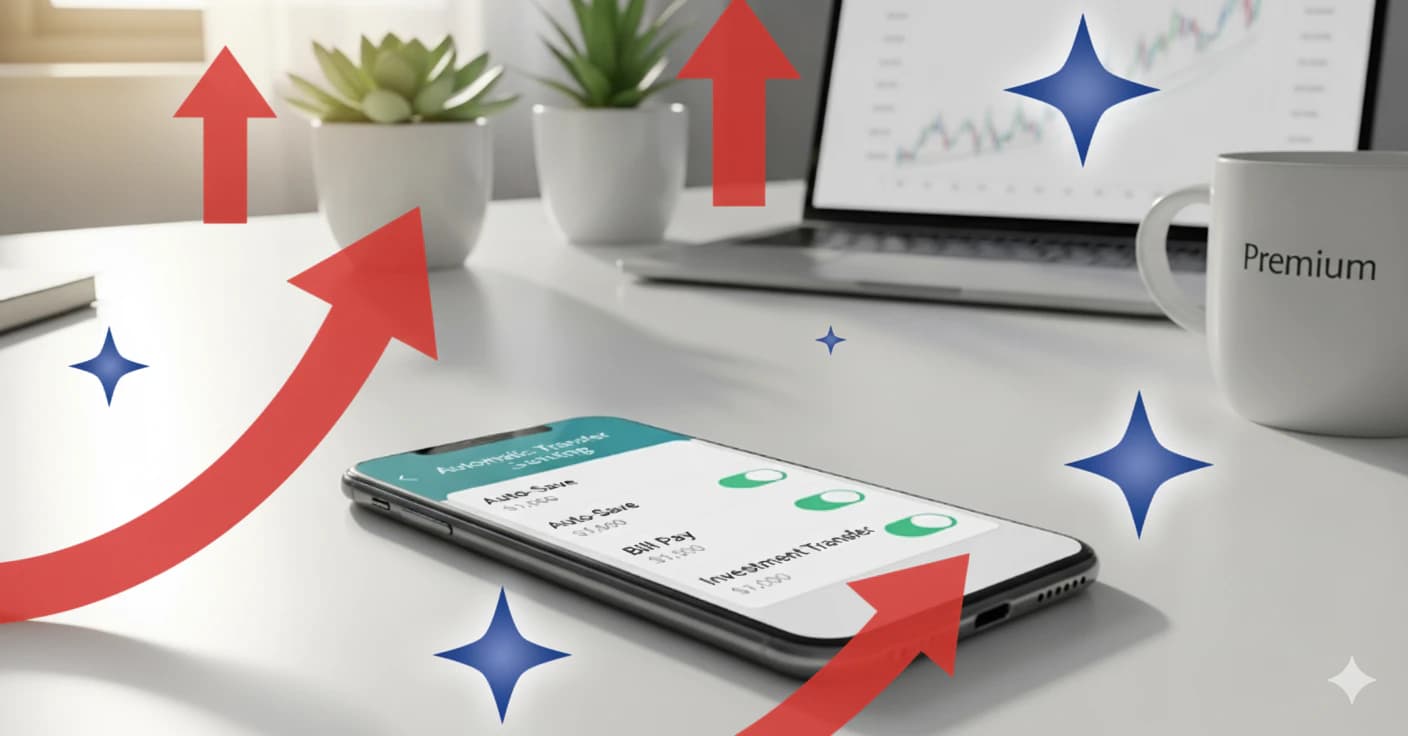
Willpower is a finite resource. If you rely on remembering to transfer money to savings or manually paying every bill, you’re playing a game against your own human nature—and eventually, life gets busy, and you lose. The secret to building wealth isn’t about being a financial genius; it’s about removing yourself from the equation. By automating your finances, you build a system that does the heavy lifting for you, ensuring your financial goals are met before you even wake up in the morning.
Why Automate Your Finances?
Automation solves two major problems: decision fatigue and inconsistency. When you have to decide to save money every single month, you have to make that "good decision" 12 times a year. If you automate it, you only have to make the decision once.
A "Set It and Forget It" system ensures that your bills are paid on time (boosting your credit score), your savings grow without effort, and you spend only what is truly available. It turns money management from a monthly chore into a background process.
The "Set It and Forget It" Blueprint
Building your automated system is like constructing a pipeline. You want money to flow from your income source to its designated destinations without leaks or manual intervention.
1. Direct Deposit: The Source
It starts with your paycheck. If your employer allows it, split your direct deposit. Have a portion go directly to a high-yield savings account and the rest to your checking account for bills and spending. If you can't split it at the source, set up an automatic transfer from checking to savings scheduled for the day after payday.
2. Fixed Costs: The Foundation
Set all your fixed monthly bills (rent/mortgage, utilities, internet, insurance) to autopay. Ideally, pay these via a credit card to earn points (if there are no fees) and set the credit card to autopay the full statement balance every month. This simplifies your cash flow and ensures you never miss a payment.
Pro Tip: If you're using credit cards for bills, make sure you're using one that rewards your spending. Check out our guide to best rewards credit cards to maximize your returns.
3. Savings and Investments: The Growth
This is where wealth is built. Automate transfers to your emergency fund, IRA, or 401(k). Treat these contributions like a bill—a non-negotiable payment to your future self.
Tools to Make It Happen
You don't need expensive software. Your bank's online bill pay and transfer features are usually enough. However, budgeting apps can help you visualize the flow. If you're struggling to stick to the "spending money" left over after automation, you might need to revisit your budget.
Need help structuring the numbers? Read our guide on creating a budget you'll actually stick to to find the right balance for your automated transfers.
Monitoring Your System
"Forget it" doesn't mean ignore it forever. Schedule a 15-minute "money date" with yourself once a month. Check your accounts to ensure all automations fired correctly and scan for any fraudulent charges.
If you find yourself consistently dipping into savings or using credit cards to cover gaps, your system might be too aggressive. That's a signal to pause and recalibrate. If you're already in a hole, don't panic—automation can also be used to pay down debt systematically. See our strategies for getting out of debt to integrate repayment into your new system.